One of the most practical questions in household infection control rarely gets a straight answer: how long does a virus actually survive on the surfaces your family touches every day?
The answer varies by pathogen, surface type, temperature, and humidity.
Why surface survival matters
Respiratory viruses spread through two main routes: the air, via aerosol particles exhaled by infected people, and surfaces, via contact with contaminated objects followed by hand-to-face transfer. For most of the common viruses that circulate in homes, such as RSV, influenza, rhinovirus, COVID-19, airborne transmission is the dominant route. But surface transmission is real and documented, particularly for RSV and norovirus.
Knowing how long a pathogen remains viable on a surface tells you how urgent disinfection is, which surfaces matter most, and how long after an illness episode your household remains at elevated exposure risk.
Influenza A and B
Flu viruses are among the more surface-stable common respiratory pathogens. In a widely cited peer-reviewed study from the Journal of Infectious Diseases, both influenza A and B survived for 24 to 48 hours on hard, nonporous surfaces such as stainless steel and plastic. On cloth, paper, and tissue, survival was shorter — less than 8 to 12 hours. The same study found that measurable quantities of influenza A could be transferred from stainless steel to hands for up to 24 hours after contamination.
In the air, influenza behaves differently. Aerosol particles carrying viable influenza virus can remain suspended in indoor air and retain infectivity for hours, particularly in low-humidity environments. This is the route that surface disinfection alone cannot address.
RSV (Respiratory Syncytial Virus)
RSV is highly surface-stable relative to many other respiratory viruses. In a study by Hall et al. using RSV isolated from infant secretions, RSV was recovered from countertops for up to 6 hours, from rubber gloves for up to 1.5 hours, from cloth gowns and paper tissue for 30 to 45 minutes, and from skin for up to 20 minutes.
Canada's public health pathogen safety data confirm a similar range: RSV can survive for approximately 3 to 30 hours on nonporous surfaces at room temperature.
This data shows that a countertop, doorknob, or crib rail that an RSV-infected child touched may carry viable virus for hours. Hand-to-face transfer from those surfaces is a documented transmission route for RSV specifically, which is why surface disinfection is particularly relevant during RSV season for households with infants and young children.
COVID-19
SARS-CoV-2, the virus that causes COVID-19) is notably stable on hard surfaces. A study published in New England Journal of Medicine found viable virus on plastic and stainless steel for up to 72 hours after application, and in aerosol form for up to three hours.
Surface stability is affected significantly by conditions: a peer-reviewed study found SARS-CoV-2 survived longest under winter conditions (up to 21 days on some surfaces), followed by spring/fall conditions, with the shortest survival under summer heat and humidity.
Norovirus (stomach bug)
Norovirus is the most environmentally resilient of the common household pathogens. Unlike the respiratory viruses above, norovirus can survive on surfaces for days to weeks under typical indoor conditions, and it is resistant to many conventional cleaning agents including some alcohol-based products.
Norovirus spreads primarily through contaminated food and surfaces rather than through the air, which makes rigorous surface disinfection more central to controlling it than it is for RSV or influenza.
Rhinovirus (the common cold)
Rhinovirus, responsible for the majority of common cold infections, can survive on nonporous surfaces for several hours. A peer-reviewed study found rhinovirus on hands for up to two hours and on hard surfaces for several hours under standard indoor conditions. Unlike influenza and RSV, rhinovirus can also remain viable on skin long enough to transfer to other surfaces, making hand hygiene particularly relevant for cold transmission.
Hard surfaces vs. soft surfaces
Across all of these viruses, one consistent pattern emerges from the literature: hard, nonporous surfaces (stainless steel, plastic, glass, ceramic) support longer viral survival than porous materials (fabric, cardboard, paper, tissue). This points to a clear hierarchy of surfaces to prioritize for disinfection after illness:
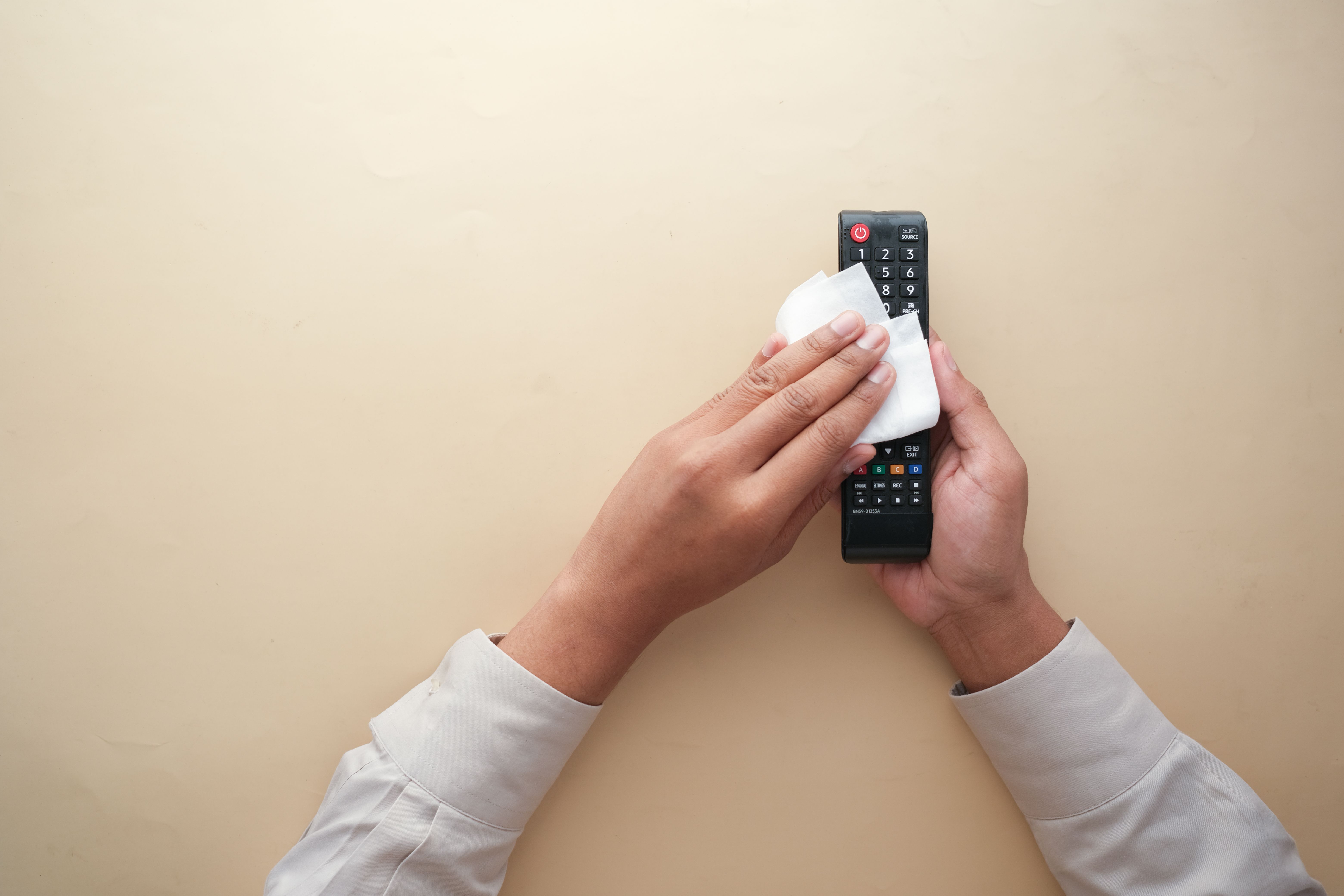
- Hard surfaces: countertops, doorknobs, light switches, cabinet handles, refrigerator handles, toilet handles, remote controls, phones, and keyboards. These carry the highest sustained risk.
- Soft surfaces: fabric, clothing, bedding, and upholstery carry lower risk for most respiratory viruses but warrant laundering, particularly after RSV exposure, given how readily it transfers from hands.
A summary by pathogen
How to reduce illness-causing germs in your home environment
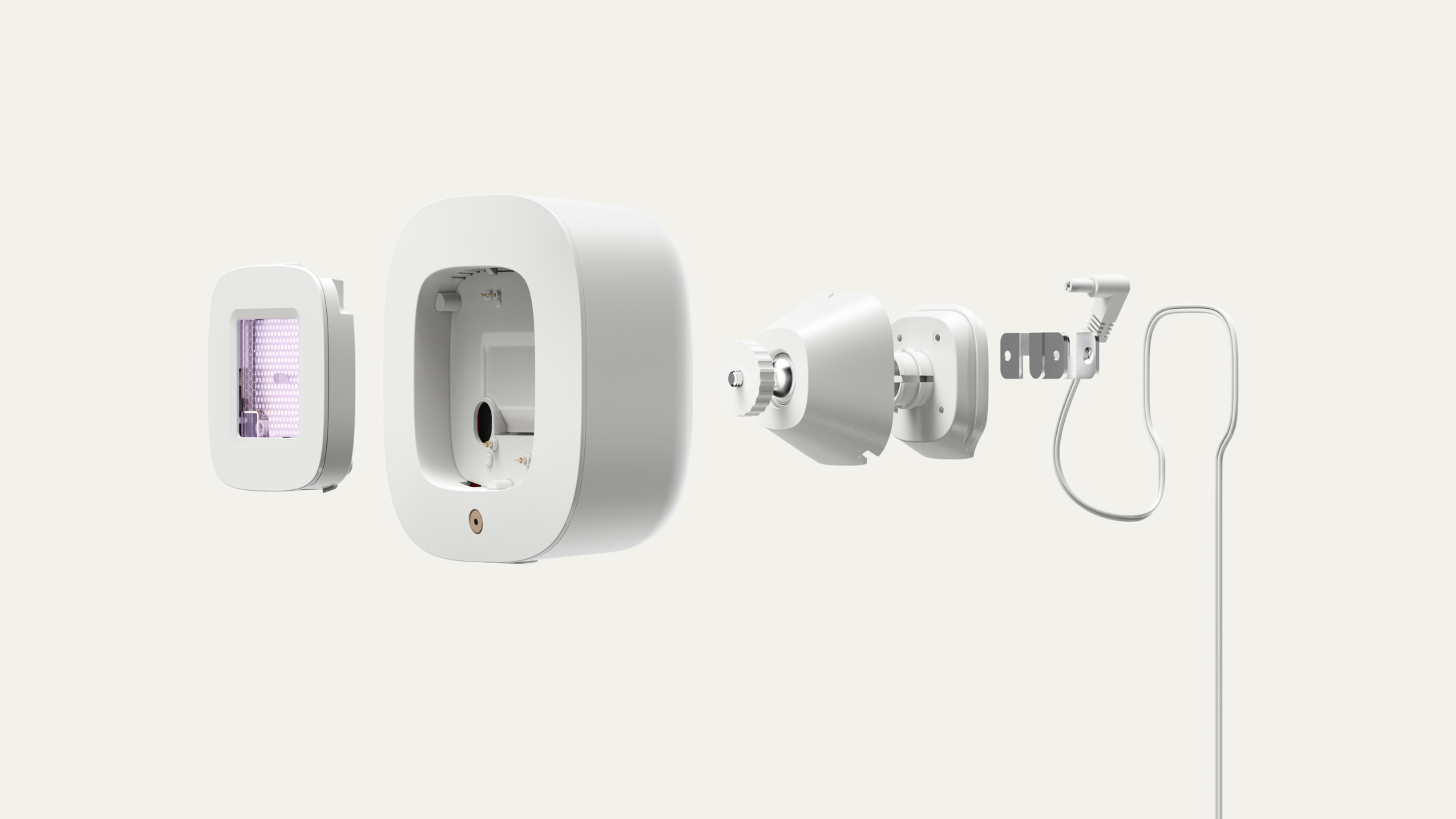
Beacon is an EPA-registered disinfection device that uses Far-UVC 222nm light to inactivate the pathogens that cause influenza, RSV, and COVID-19, both in the air and on surfaces, continuously and in real time. Unlike a spray applied to a countertop or a HEPA filter that captures particles in the air, Beacon addresses both transmission routes, running in the background without any action required.