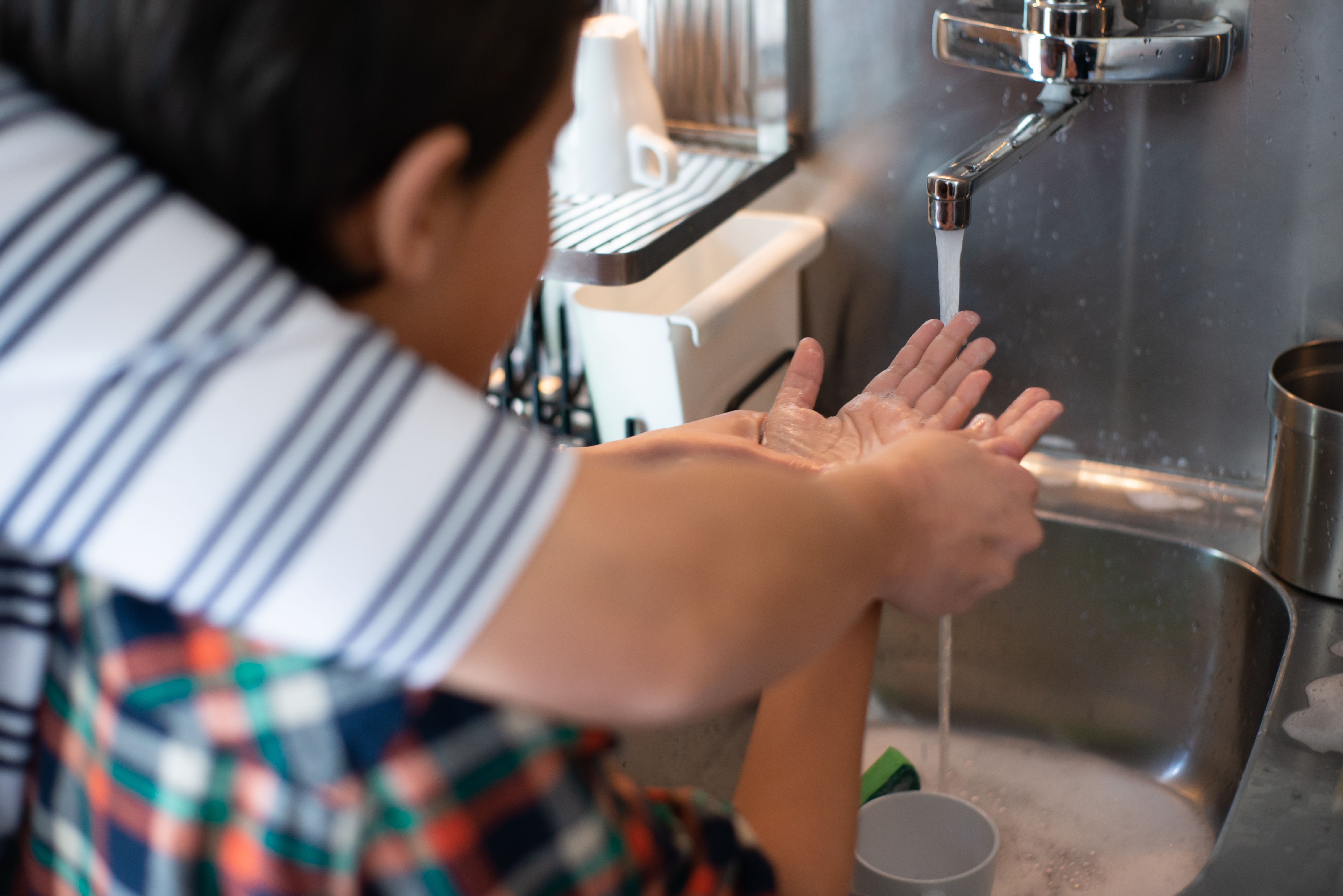
If someone in your house has RSV, here's the short answer: soap and water, alcohol-based hand sanitizer, and standard household disinfectants all kill it. The harder part is that respiratory syncytial virus (RSV) can survive for days on hard surfaces like doorknobs, toys, and countertops, which is why it moves so fast through daycares, playrooms, and households.
RSV isn't just another cold virus. Before RSV immunizations became available, an estimated 58,000 to 80,000 children under 5 were hospitalized with RSV in the U.S. every year, and it remains the leading cause of infant hospitalization nationwide.
How does RSV spread?
RSV spreads through droplets from a cough or sneeze, direct contact with someone who's infected, and touching a contaminated surface before touching your face. Nearly every child gets RSV at least once before their second birthday.
People with RSV are typically contagious for 3 to 8 days, but infants and people with weakened immune systems can shed the virus for four weeks or longer, even after symptoms clear. That long contagious window is a big part of why RSV tears through daycares and households once it's in the door. Kids are often exposed at daycare or school first, then bring the virus home to siblings, parents, and grandparents.
How long does RSV live on surfaces?
RSV can survive for many hours on hard, nonporous surfaces like crib rails and tables, and for shorter stretches on soft surfaces like tissues and hands. A 2023 peer-reviewed study found infectious RSV could still be recovered from stainless steel discs after several days under lab conditions.
What effectively kills RSV?
RSV, like the viruses behind the flu and COVID-19, is wrapped in a fragile lipid envelope. Soap and alcohol break that envelope apart on contact, which is why they are effective solutions.
The 2023 study tested this directly: WHO-recommended hand-rub formulations, along with 30% ethanol and 2-propanol, completely eliminated detectable virus in lab testing. Surface disinfectants built on alcohol, aldehyde, or hydrogen peroxide efficiently inactivated RSV on stainless steel as well.
Vinegar and essential oils work for everyday cleaning, but do not reliably kill viruses. An EPA-registered disinfectant is the more reliable choice for anything a sick child has touched.
Warning signs to watch for
Most RSV cases look like a bad cold and clear up on their own within a week or two. But RSV is also the leading cause of infant hospitalization in the United States. Early symptoms include:
- Runny nose and congestion
- Coughing or sneezing
- Eating or drinking less than usual
- Low-grade fever (not always present, especially in very young infants)
In infants under 6 months, RSV can look different, sometimes without any fever at all. Watch for:
- Irritability or unusual fussiness
- Decreased activity or lethargy
- Apnea (pauses in breathing lasting more than 10 seconds)
- Eating or drinking noticeably less
Call your child's healthcare provider if they're having difficulty breathing, aren't drinking enough fluids, or their symptoms are getting worse instead of better. Roughly 2 to 3 out of every 100 infants under 3 months are hospitalized with RSV each year, most needing only supportive care like oxygen and IV fluids before going home within a few days.
Caring for a child with RSV at home
Most RSV infections don't need antiviral medication and clear up on their own within a week or two. At home, the CDC recommends:
- Managing fever and discomfort with acetaminophen or ibuprofen — never aspirin for children
- Making sure your child drinks enough fluids to avoid dehydration
- Checking with your pediatrician before giving any over-the-counter cold medicine, since some ingredients aren't safe for young children or can interact with prescriptions
Practical steps for parents and caregivers
A few habits go a long way during RSV season, which typically runs from fall through winter in most of the U.S., but has been starting earlier in the Summer since the COVID-19 pandemic.
- Wash hands often with soap and water, especially after diaper changes, wiping noses, or coming home from daycare
- Keep alcohol-based hand sanitizer within reach for moments soap isn't available
- Wipe down high-touch surfaces (doorknobs, crib rails, changing tables, shared toys) with an EPA-registered disinfectant
- Keep sick kids and caregivers home and away from others until they're feeling better
- Cover coughs and sneezes, and teach older kids to do the same
- Bring in fresh outside air when weather allows, or run an air purifier in shared spaces
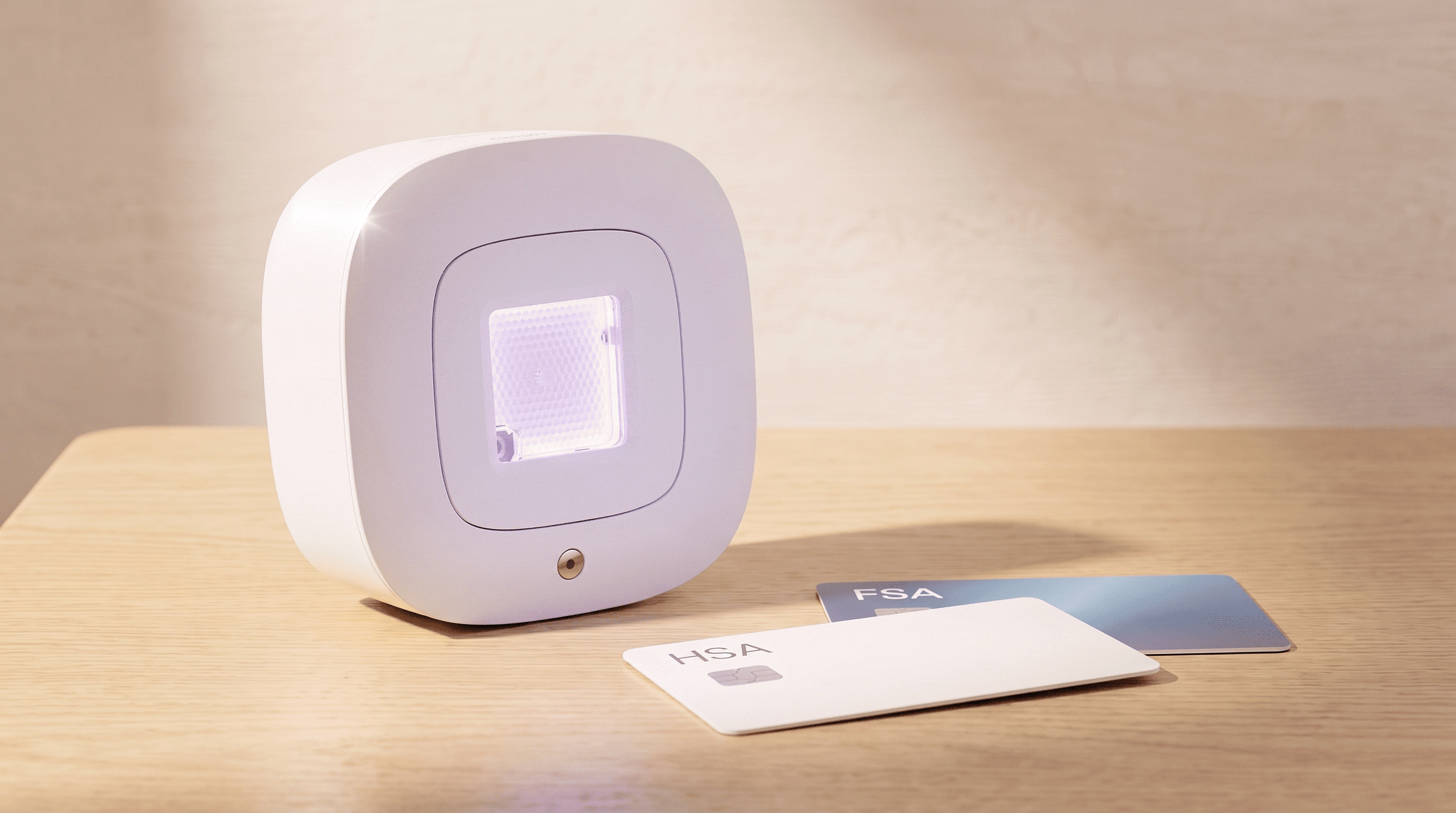
- Add a Far-UVC disinfection device in shared spaces, which inactivates pathogens (including the ones that cause RSV) on both surfaces and in the air
Far-UVC light has been shown in peer-reviewed, room-scale testing to rapidly inactivate airborne viruses, reaching over 99% viral inactivation. Unlike sprays, wipes, or air purifiers, Far-UVC devices like Beacon are designed to run continuously, in the background, on both air and surfaces without any extra effort.