When your toddler or school-aged child comes home with a cough, protecting your newborn from their sick sibling doesn't mean moving out of the house. It means being deliberate about hand hygiene, distance, and sleep space during the weeks a newborn's immune system is still catching up.
Why is a newborn so vulnerable to a sick sibling’s cold?
A newborn's immune system doesn't fully mature until around two to three months old, according to Cleveland Clinic pediatrician Dr. Camille Sabella. Cell-mediated immunity, the part of the immune system responsible for fighting off viruses, is still developing during those early weeks, which is why a 2-week-old can't clear an infection the way a 3-month-old can.
Maternal antibodies passed through the placenta offer some protection during the first few weeks, and breastfeeding adds more. But that protection is partial, and it fades quickly, right around the time an older sibling is most likely to bring something home from school or daycare.
What illnesses pose the biggest risk from a sick sibling?
Three come up again and again in pediatric offices:
- RSV (respiratory syncytial virus). It's the leading cause of infant hospitalization in the U.S., and infants under six months who catch it are often hospitalized, since RSV can cause bronchiolitis or pneumonia.
- Whooping cough (pertussis). Babies younger than 1 year old are at the greatest risk for severe complications, and many are infected by an older sibling, parent, or caregiver who doesn't yet know they're contagious.
- Flu. Infants tend to get sicker with the flu than older kids or adults do, and it can progress to pneumonia.
All three spread from coughing, sneezing, and close contact. That's the everyday reality of living with an older sibling, which is exactly why it's worth being specific about precautions rather than relying on general caution.
What protects the baby?
Hand hygiene and distance go a long way. A few specifics worth making into house rules for the first couple of months:
- Handwashing before every hold. Anyone touching the baby (sibling included) washes hands first, every time, no exceptions for “just a quick hug.”
- Separate sleep spaces. Keep a sick sibling out of the nursery, especially overnight, when close contact and shared air are hardest to avoid.
- Cover coughs and sneezes, and wipe down shared surfaces. Doorknobs, light switches, toy bins and any other common surfaces that both kids touch throughout the day.
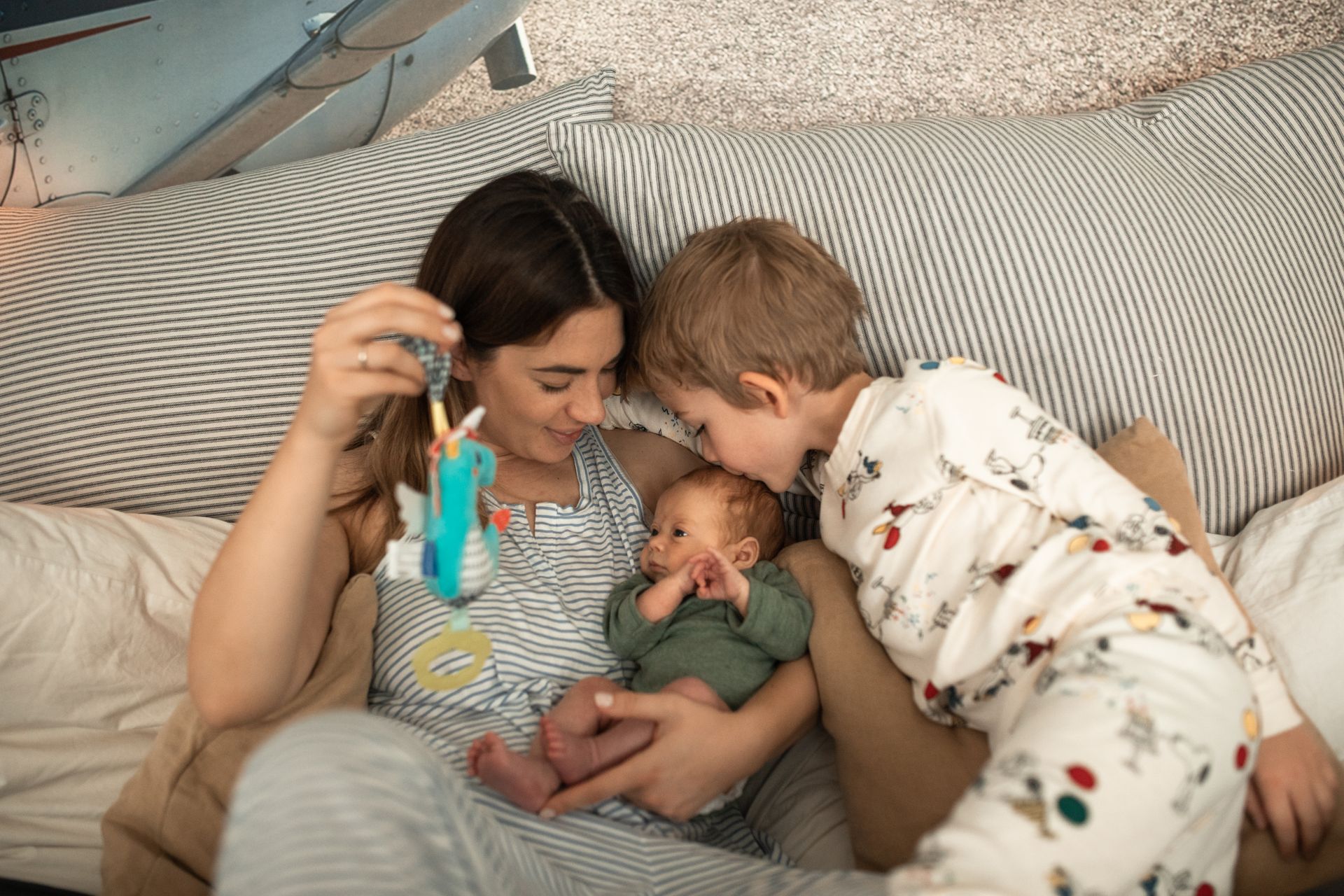
- Hold off on kisses and close face time while the sibling has any symptoms, even mild ones like a runny nose. A safer option: encourage siblings to hold and kiss the baby’s feet only.
- Keep vaccines current. A Tdap booster during pregnancy (usually in the third trimester) helps protect a newborn from pertussis before they're old enough for their own shots, and keeping the sibling's vaccines up to date lowers the odds they bring something home in the first place.
When should you call the doctor?
Call promptly if your baby shows any of these signs:
- Trouble breathing
- Bluish tint to skin or lips
- Signs of dehydration
- A rectal temperature of 100.4°F or higher
- Unusual lethargy or difficulty waking
A newborn's symptoms can escalate faster than an older child's. When in doubt, call. Pediatricians expect these calls in a house with a new baby and an older sibling.
Beacon, another layer of protection
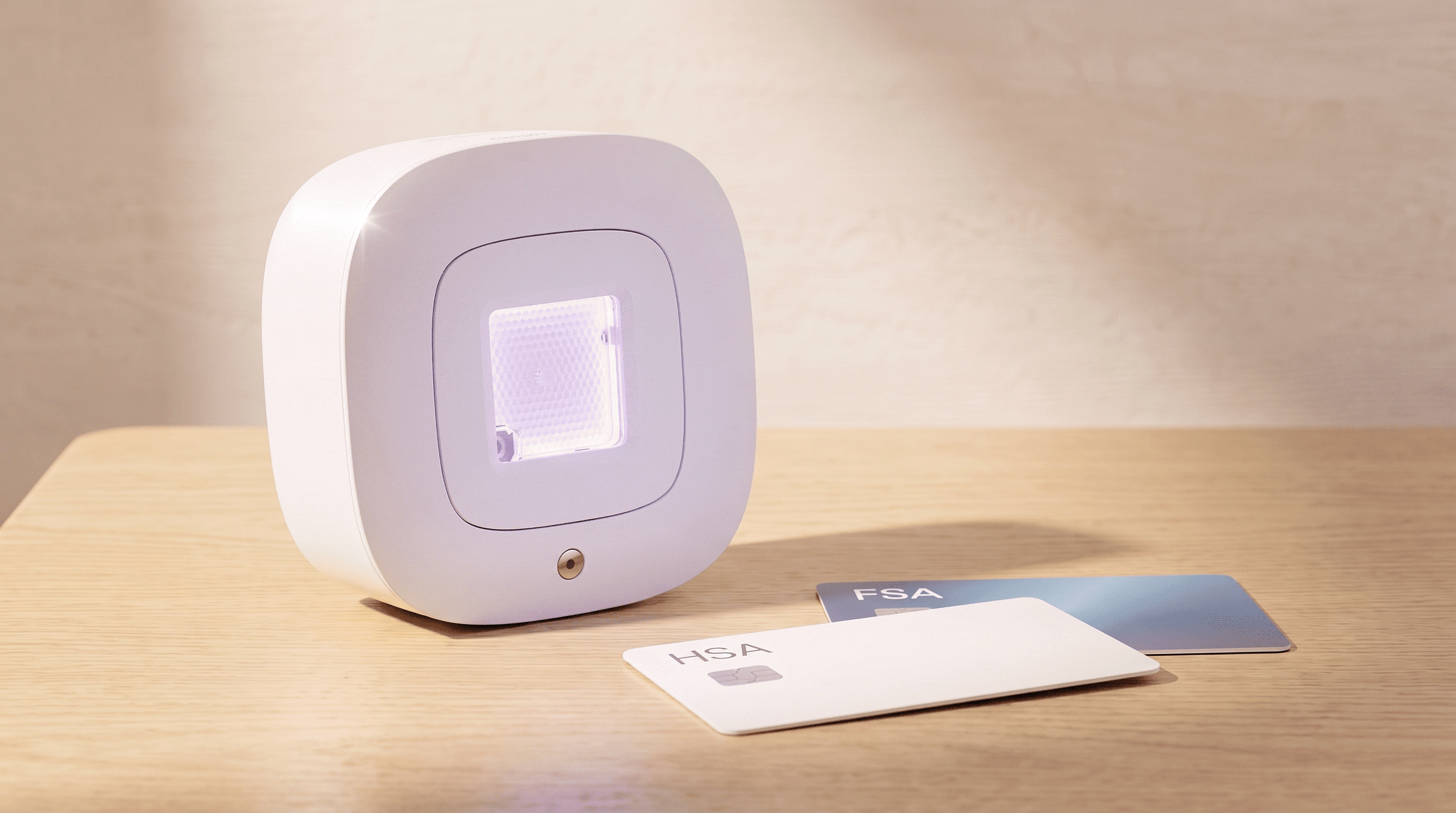
Hand hygiene and separate sleep spaces help address direct contact, but environmental germs are a separate problem that need additional solutions. A Far-UVC device like Beacon is an added layer of protection that continuously inactivates airborne and surface pathogens in your home. Beacon uses Far-UVC 222nm light, shown in testing to neutralize up to 99.99% of viruses, including ones that cause influenza, RSV, and COVID-19. It runs safely in occupied rooms (nursery included) controlled from your phone, with no extra routine to remember on top of everything else a new sibling dynamic already demands.