Your kitchen sink carries more bacteria than your toilet does right after you flush it. That's the finding from University of Arizona microbiologist Charles Gerba, whose swab studies have spent decades overturning assumptions about where household germs actually live. The germiest places in your home are rarely the ones people guess, and the fix is usually simpler than a deep clean.
What is the germiest place in your home?
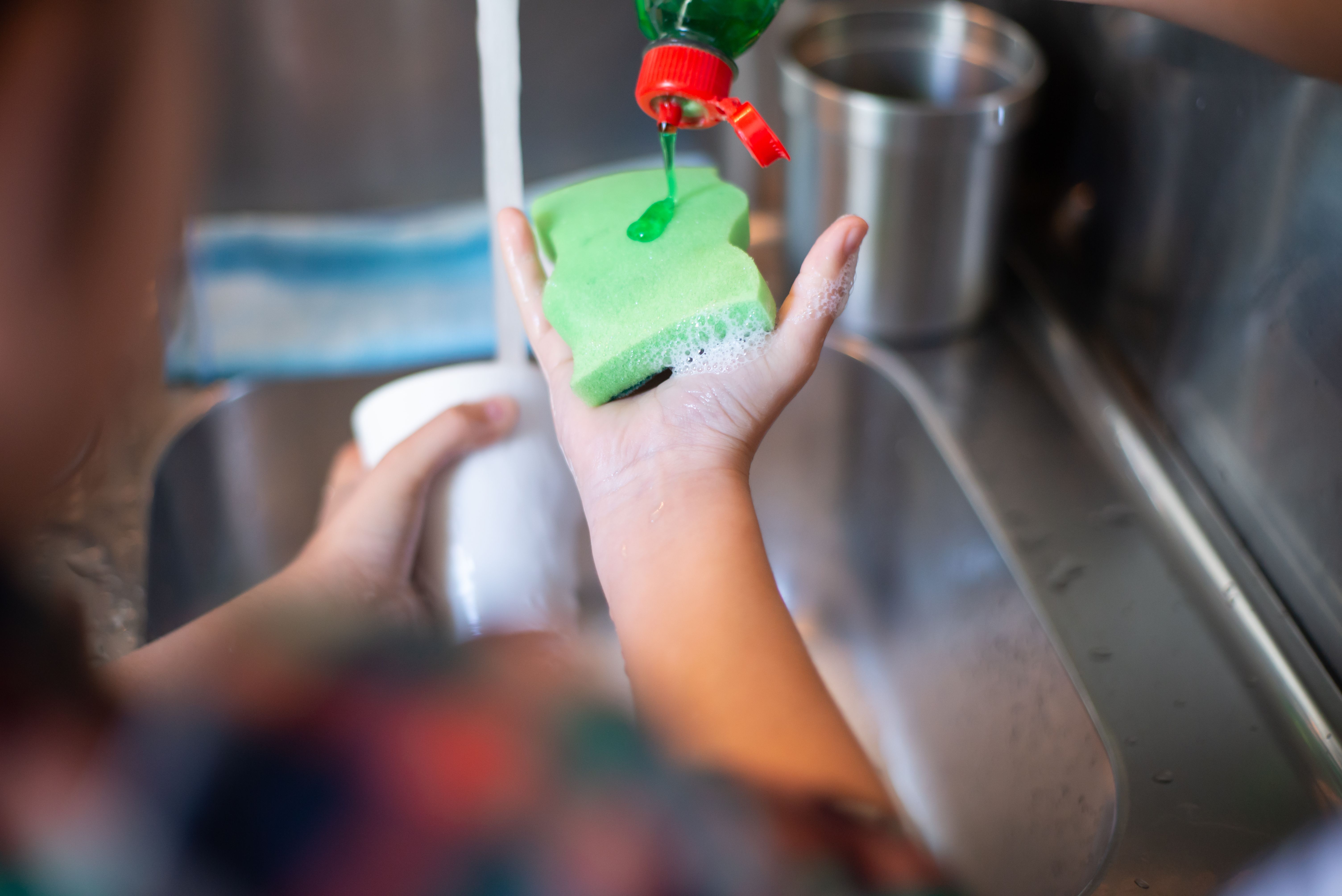
Skip the bathroom. The dirtiest item in most homes is the kitchen sponge or dishrag. In NSF International's household germ study, microbiologists swabbed 30 everyday items across 22 families and found mold or yeast on 86% of kitchen sponges, coliform bacteria — the family that includes E. coli and salmonella — on 77%, and staph bacteria on 18%. A sponge sits wet for hours at a time in a warm kitchen, which is close to ideal growing conditions for bacteria.
Why is the kitchen dirtier than the bathroom?
Most people assume the bathroom wins this contest. But Gerba's research found roughly 200 times more fecal bacteria on the average cutting board than on a toilet seat, largely transferred from raw meat and poultry. NSF's own testing backs this up: coliform bacteria turned up on 45% of kitchen sinks and 32% of countertops, compared with just 27% of toothbrush holders and 9% of bathroom faucet handles — the dirtiest spots the study found in the bathroom. Toilet seats, by contrast, tend to get cleaned specifically because people assume they're dirty.
Which everyday household items carry the most bacteria?
NSF ranked all 30 items by total microorganism load, and the results upend a lot of assumptions. The ten germiest items, highest to lowest:
- Dish sponge or rag
- Kitchen sink
- Toothbrush holder
- Pet bowl
- Coffee maker reservoir
- Bathroom faucet handle
- Pet toy
- Countertop
- Stove knobs
- Cutting board
Volunteers guessed money would be one of the dirtiest items in the house, but it actually landed near the bottom of the ranking, alongside keys and computer keyboards. Smooth, cold, dry surfaces don’t hold onto germs the way a damp sponge or a pet bowl does.
How long do viruses like the flu and RSV survive on surfaces?
Influenza A and B viruses can remain infectious on hard, nonporous surfaces — doorknobs, countertops, stainless steel — for 24 to 48 hours.
RSV behaves similarly: the CDC notes it "can survive for many hours on hard surfaces, such as tables and crib rails," while breaking down faster on soft surfaces like tissues and hands.
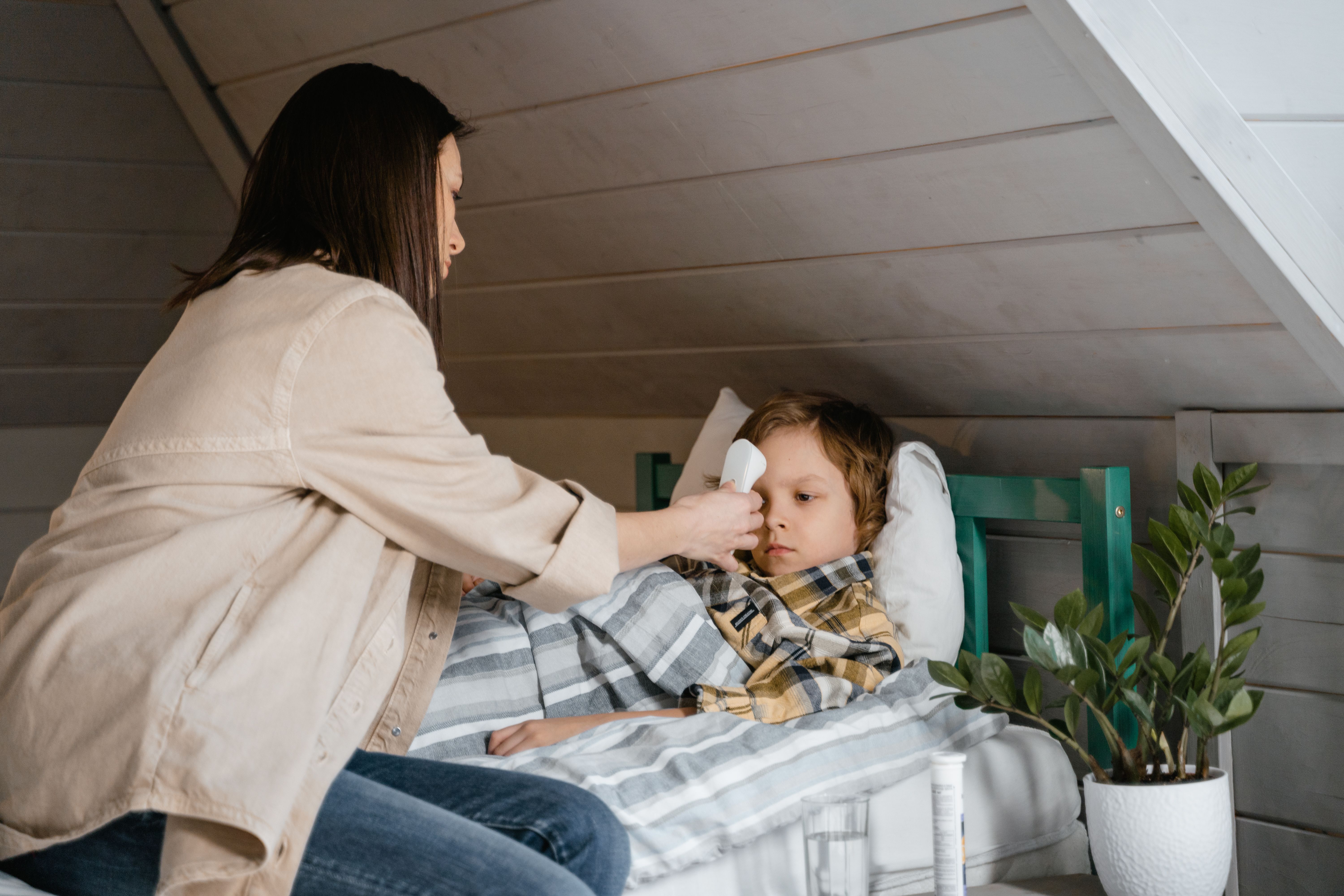
That window is exactly why a wipe-down once a day often isn't enough during cold and flu season. A surface can be clean at 8 a.m. and be carrying live virus again by lunch, particularly with kids or contagious family members moving through the house.
What can you do about it?
The fixes here are a mix of habits and helpful products.
- Replace kitchen sponges weekly; a hot dishwasher cycle helps between replacements.
- Wipe down high-touch spots (doorknobs, faucet handles, phone screens) with a disinfectant daily during cold and flu season, not just once someone's already sick.
- Wash hands with soap for at least 20 seconds before, during, and after food prep, and before eating.
- Wash cutting boards, utensils, and countertops with hot, soapy water after each food item — not just at the end of cooking.
- Use one cutting board for raw meat, poultry, and seafood, and a separate one for produce and anything that won't be cooked.
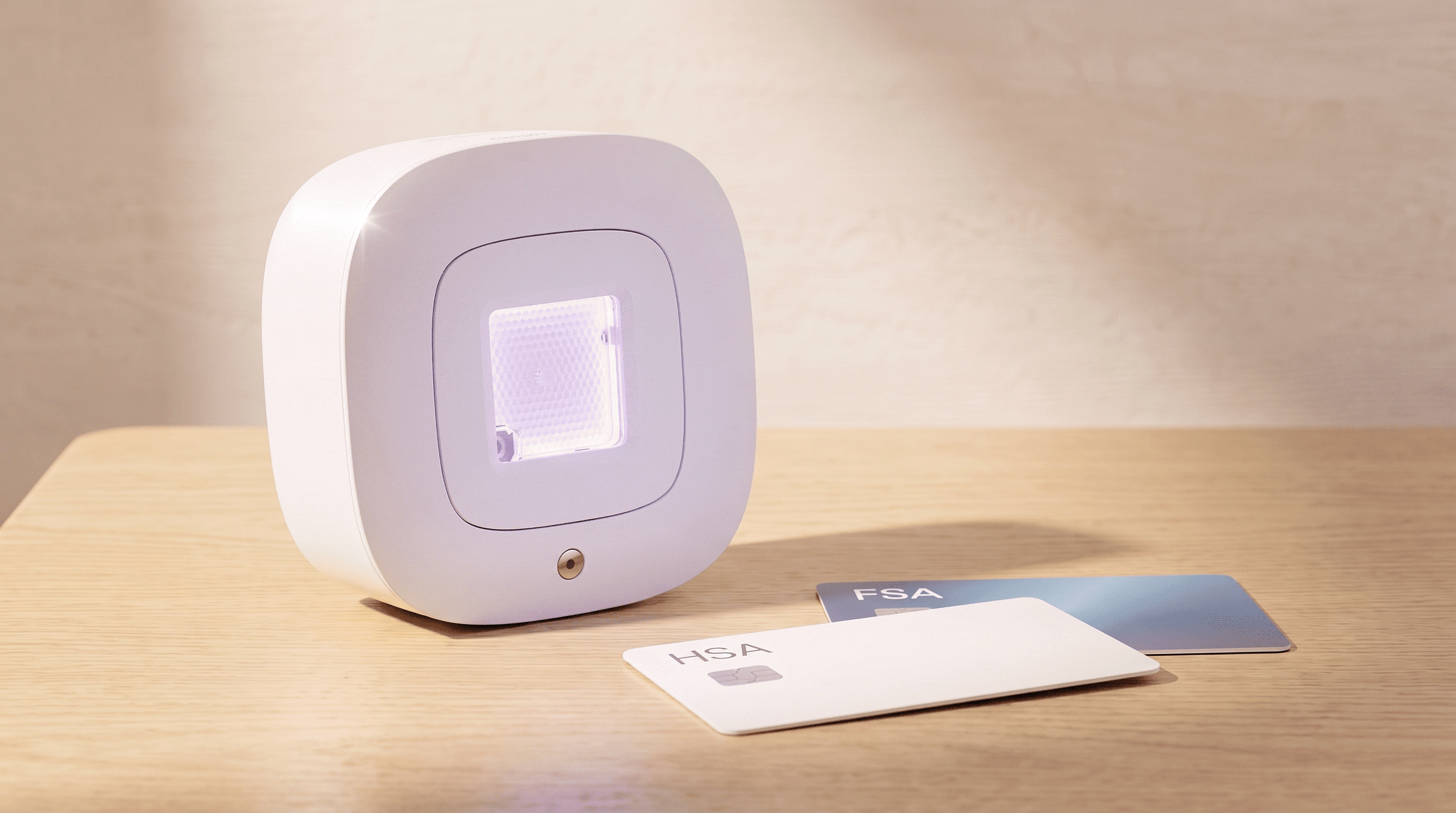
- Install a UV disinfection system like Beacon to continuously reduce germs on surfaces in the air.
One CDC tip runs against instinct: don't wash raw chicken before cooking it. Rinsing raw poultry doesn't remove bacteria; it splashes contaminated water onto the sink, counter, and anything else nearby, which is part of why the kitchen sink tests so high for germs in the first place.
How can Far-UVC light fit into a cleaner home?
Wiping surfaces handles what you can reach with a cloth. It does nothing for the air in between cleanings, or the hours a surface sits untouched between one wipe-down and the next; which, based on the survival times above, is exactly when flu and RSV are still viable.
Far-UVC 222nm light, tested in occupied, room-scale settings, has been shown to reduce germs in the air and on surfaces substantially while people are in the room, without the harmful risks of conventional germicidal UV.
Beacon builds on that research with a 222nm Far-UVC device shown in testing to inactivate up to 99.99% of airborne and surface pathogens. It runs safely and continuously in occupied rooms where people and pets are present.